
Advancements in hearing aid technology refer to the significant improvements in how modern devices process sound, connect to other technologies, and adapt to different listening environments to help people hear more clearly and comfortably. Over the past few years, hearing aids have transformed from basic amplifiers into sophisticated digital systems that can distinguish speech from background noise, stream phone calls directly to your ears, and automatically adjust to wherever you are.
These innovations matter because they address the real-world frustrations many people face with hearing loss: struggling to follow conversations in noisy restaurants, missing important details during meetings, or feeling isolated because phone calls are too difficult. The gap between older hearing aid models and what’s available now is substantial. Today’s devices offer features that weren’t possible even five years ago, and understanding these advancements can help you make informed decisions about your hearing health.
This article breaks down the key technological improvements in hearing aids, explains how these innovations actually work in everyday situations, and shows you which features address specific hearing challenges. You’ll learn about the different types of advanced capabilities available, from artificial intelligence that learns your preferences to rechargeable batteries that eliminate the hassle of tiny disposable cells. Whether you’re considering hearing aids for the first time or wondering if upgrading from older devices makes sense, you’ll find clear guidance on what these advancements mean for your daily life and how to access technology that truly fits your needs.
What Modern Hearing Aid Technology Means for Your Daily Life
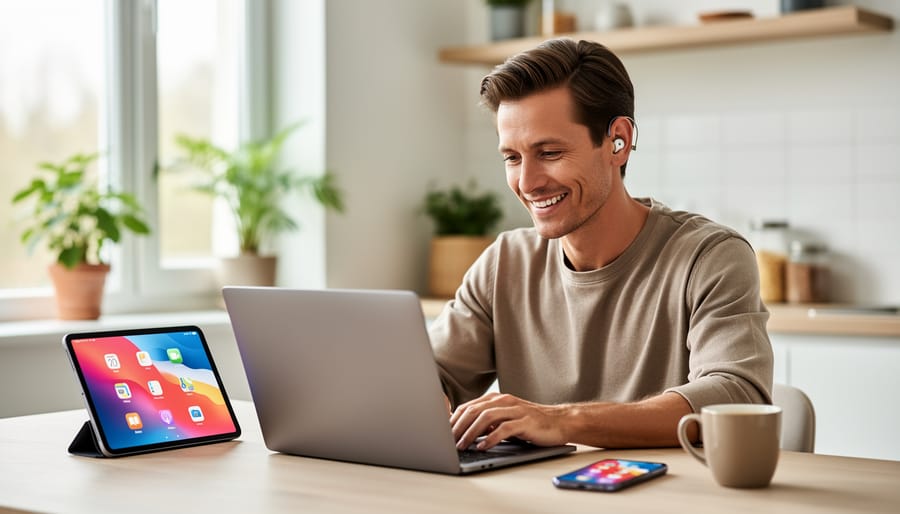
Modern hearing aid technology has evolved far beyond just making sounds louder. Instead of simple amplification that increases all sounds equally, including the ones you don’t want to hear, today’s hearing aids analyze your sound environment thousands of times per second and make intelligent decisions about what you need to hear clearly. This shift means your devices can separate a friend’s voice from restaurant clatter, automatically adjust when you move from a quiet room to a busy street, and even connect wirelessly to your phone or television.
What makes 2026 hearing aids fundamentally different is their ability to process sound in real time using sophisticated computer chips smaller than a pencil eraser. Earlier generations treated all sounds the same way, which often made noisy environments overwhelming rather than clearer. Current devices distinguish between speech and background noise, reduce the sounds that interfere with conversation, and enhance the frequencies where you specifically need support. This is where personalization changes everything, your hearing professional can customize how your devices respond to different situations based on your unique hearing pattern and lifestyle.
Independent hearing professionals stay current with these technological advancements because the pace of innovation directly affects the solutions they can offer you. New features and improvements emerge regularly, and professionals who remain educated about these changes can match you with technology that addresses your particular challenges. They understand that effective hearing support isn’t about the newest gadget, it’s about finding the right combination of features that will genuinely improve how you hear in the situations that matter most to you.
How Today’s Hearing Aids Actually Work
Smart Sound Processing
Modern hearing aids analyze incoming sound thousands of times per second, constantly making split-second decisions about what you need to hear. The technology examines speech-like vs noise-like signals and automatically adjusts amplification to emphasize conversation while reducing background interference. When you walk into a noisy restaurant, your hearing aids detect the shift within moments and reconfigure themselves, reducing the clatter of dishes and general hubbub while focusing on the voice of the person across from you.
The same happens when you move from that busy restaurant to a quiet one-on-one conversation. The hearing aids recognize the change and adjust again, this time applying less aggressive noise reduction so you can hear naturally without over-processing. In meetings where multiple people speak from different directions, directional microphones work with sound processing to help you follow whoever’s talking, even as the conversation shifts around the table. This continuous environmental awareness means you’re not constantly fiddling with settings or missing parts of conversations during transitions.
Wireless and Bluetooth Connectivity
Modern hearing aids connect directly to your smartphone, television, and other Bluetooth-enabled devices, eliminating the need for separate accessories or intermediary equipment. This wireless connectivity transforms hearing aids into sophisticated audio devices that stream phone calls, music, podcasts, and video content straight into your ears with remarkable clarity.
When someone calls your mobile phone, the conversation streams directly to both hearing aids, turning them into wireless headphones. You hear the caller’s voice clearly while your hearing aids continue managing background noise and adjusting sound levels automatically. Many users find phone conversations significantly easier because the audio bypasses environmental interference entirely.
Television streaming works similarly. Rather than turning up the volume and disturbing others, you receive the TV audio at a comfortable level personalized for your hearing while family members listen at their preferred volume. Video calls through platforms like Zoom or FaceTime become more accessible, with voices transmitted clearly without feedback or whistling.
Most current hearing aids use standard Bluetooth protocols, meaning they connect to devices the same way wireless earbuds do. Your hearing professional can help you pair your hearing aids with your devices during your initial fitting, and smartphone apps let you adjust streaming volume and switch between audio sources easily.
Types of Advanced Hearing Aid Features Available in 2026
Artificial Intelligence and Machine Learning
Modern hearing aids equipped with artificial intelligence don’t just amplify sound, they learn from your behavior. Each time you adjust the volume in a noisy restaurant or change settings during a quiet conversation, the device remembers. Over several weeks, it builds a profile of your preferences across different situations.
This machine learning happens quietly in the background. When you walk into your usual coffee shop, the hearing aid recognizes the acoustic environment and automatically applies the settings you’ve preferred there in the past. You don’t need to reach for your phone or fiddle with controls.
The technology also tracks which adjustments you make most often and begins applying them proactively. If you consistently lower the volume during video calls or boost treble frequencies when watching television, the hearing aid starts making these changes before you ask. It’s adapting to your unique hearing patterns rather than relying on generic factory settings.
For independent hearing professionals, AI features provide valuable data about how you actually use your devices in daily life, helping them refine your fitting with precision that wasn’t possible even a few years ago.
Rechargeable and Extended Battery Options
The convenience of rechargeable hearing aids has transformed daily life for many users. Instead of fumbling with tiny disposable batteries every few days, you simply place your hearing aids in a charging case overnight, much like your smartphone. Most rechargeable models provide a full day of use (16-24 hours) on a single charge, including streaming time.
Modern lithium-ion batteries maintain their capacity for years, eliminating the need to keep spare batteries on hand or worry about running out at inconvenient moments. For people with dexterity challenges or vision problems, this shift removes a genuine frustration from the hearing aid experience.
The environmental benefit is notable too: one person can go through hundreds of disposable batteries annually, while rechargeable hearing aids significantly reduce battery waste over the device’s lifespan.
Tinnitus Management Features
Many people with hearing loss also experience tinnitus, that persistent ringing, buzzing, or humming in the ears. Modern hearing aids now integrate tinnitus management features directly into the devices you already wear for hearing support. These built-in sound therapy programs generate soothing sounds, like soft white noise, ocean waves, or gentle chimes, that help mask the tinnitus and make it less noticeable throughout your day. Your hearing professional can customize the type, volume, and timing of these sounds to match your specific tinnitus pattern and personal preferences. Instead of needing separate devices or apps for tinnitus relief, you get comprehensive support for both hearing clarity and tinnitus in one integrated solution that works automatically as you go about your daily activities.
Health Monitoring Capabilities
Modern hearing aids are evolving beyond sound amplification to become comprehensive health monitors. Several 2026 models now include sensors that track your daily steps, monitor heart rate patterns, and detect falls, similar to features in fitness trackers, but conveniently built into a device you’re already wearing throughout the day.
These health monitoring capabilities make particular sense in hearing aids because they sit securely in your ear canal, a location where sensors can accurately measure heart rhythm and body movement. Fall detection features can automatically alert emergency contacts if you experience a tumble, providing peace of mind for both wearers and their families.
While not every hearing aid needs these features, they represent a meaningful shift toward viewing hearing support as part of your overall health management rather than an isolated concern.
How These Advancements Address Real-World Hearing Challenges
Better Speech Understanding in Noise
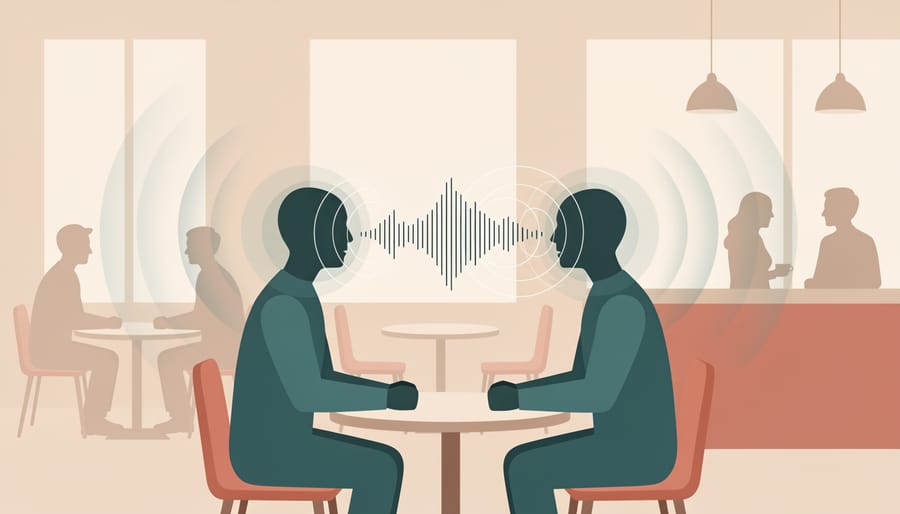
One of the most frustrating aspects of hearing loss is struggling to follow conversations when there’s background noise. Modern hearing aids tackle this directly with directional microphones that focus on sounds in front of you while reducing noise from the sides and behind. This means when you’re at a busy restaurant or family gathering, the technology automatically prioritizes the person you’re facing, making their voice clearer against the din of clinking dishes or multiple conversations.
Advanced noise reduction algorithms work alongside these microphones, analyzing incoming sounds thousands of times per second to distinguish between speech and unwanted noise. They suppress steady background sounds like air conditioning or traffic while preserving the natural variations in human voices. This dual approach helps you catch the nuances of conversation you might otherwise miss, even in challenging situations like trying to hear someone wearing face masks or speaking from across a table in a crowded space.
Seamless Communication with Technology
Modern hearing aids turn everyday technology into direct communication channels without fumbling with extra equipment or complicated setups. When your phone rings, the call streams directly into both ears, making conversations clearer than holding a phone against one hearing aid. You hear the caller’s voice as if they’re speaking right to you, with background noise from your surroundings reduced automatically.
Video calls work the same way. During a Zoom meeting or FaceTime chat with family, voices stream straight to your hearing aids while the microphones pick up your responses. You’re not straining to hear through laptop speakers or adjusting earbuds.
Watching television becomes a shared experience again. Stream audio directly to your hearing aids at a comfortable volume while others in the room enjoy their preferred sound level. No more disputes about volume or feeling isolated by closed captions alone.
Music streaming brings back the joy of listening. Whether it’s Spotify during a walk or a podcast while cooking, the audio quality delivers nuances you might have missed with traditional amplification, all controlled from your smartphone with a few taps.
Personalized Hearing Experience
Modern hearing aids put unprecedented control in your hands through smartphone apps that connect directly to your devices. These apps let you adjust volume, switch between preset programs for different environments, and fine-tune sound quality without touching the hearing aid itself. If a particular setting isn’t working for you in a specific situation, you can make real-time adjustments and save those preferences for future use.
Remote care capabilities mean your hearing professional can also adjust your hearing aids from their office while you’re at home, eliminating the need for in-person visits for minor tweaks. This ongoing collaboration ensures your hearing aids evolve with your needs, learning from your adjustments to provide increasingly personalized sound processing that matches how and where you actually use them.
Working with Independent Professionals to Access Advanced Technology
While manufacturers constantly release new hearing aid models with the latest features, independent hearing aid professionals serve as your essential guide through this evolving landscape. Unlike tied retailers who represent a single brand, independent professionals evaluate innovations across all manufacturers to find what genuinely benefits your specific hearing needs and lifestyle.
An independent audiologist or hearing instrument specialist takes time to understand how you struggle with hearing in real situations, whether you’re missing conversations in noisy restaurants, finding phone calls difficult, or unable to enjoy family gatherings. They match these challenges with appropriate technological solutions, explaining which advanced features will make a meaningful difference for you and which ones you probably don’t need.
This personalized approach extends far beyond the initial fitting. Your hearing professional programs your hearing aids based on your unique hearing profile, then fine-tunes them as you experience different environments. Modern hearing aids require ongoing adjustments to optimize performance, from updating software to ensuring accessories like smartphone apps work properly. Even maintenance tasks like knowing when to change hearing domes affect how well advanced technology performs.
Independent professionals also stay current through continuing education, learning about emerging features and understanding which innovations deliver real-world benefits versus marketing hype. This knowledge protects you from overpaying for unnecessary technology while ensuring you don’t miss advancements that could significantly improve your hearing experience.
The relationship you build with an independent hearing professional means someone advocates for your hearing health long-term, adapting your technology as both your hearing needs and available innovations evolve.
Common Questions About Hearing Aid Technology
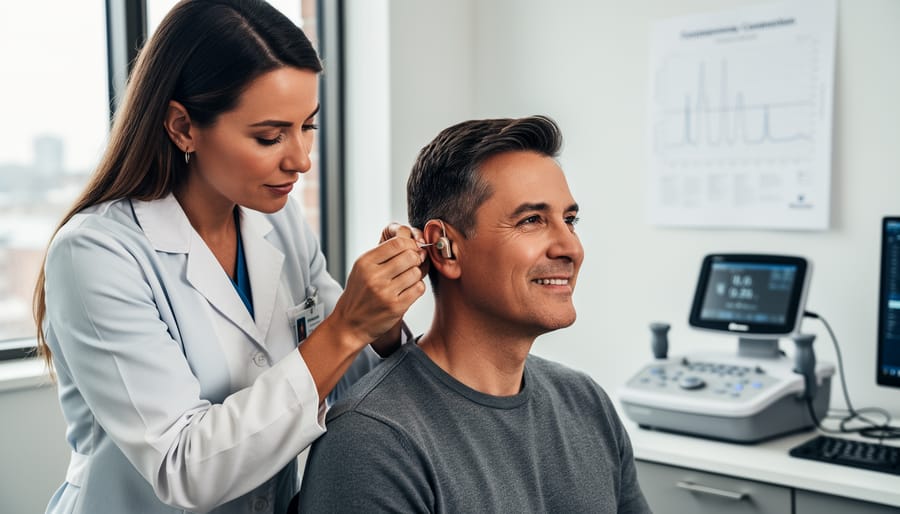
The questions below address the most common concerns people have when considering advanced hearing aid technology. These answers provide practical clarity to help you move forward with confidence.
Do advanced features make hearing aids significantly more expensive?
While cutting-edge technology typically costs more than basic models, many advanced features have become standard across mid-range devices as the technology matures. Independent professionals can help you prioritize features that address your specific hearing challenges rather than paying for capabilities you won’t use.
Will new hearing aids work with my existing smartphone or TV?
Most hearing aids manufactured since 2024 use universal Bluetooth standards that connect with both iPhone and Android devices, plus most modern smart TVs. Your hearing professional can verify compatibility with your specific devices before you make a decision.
How difficult is it to learn to use advanced hearing aid features?
The actual day-to-day use is typically straightforward, most advanced features work automatically in the background. Features you control through smartphone apps are designed with simple interfaces, and your hearing professional provides hands-on training tailored to your comfort level with technology.
Do advanced hearing aids require more maintenance than traditional ones?
Rechargeable models actually reduce maintenance by eliminating weekly battery changes. Otherwise, daily care remains the same: basic cleaning and moisture prevention. Software updates happen wirelessly without requiring office visits.
How do I know which technological features I actually need?
An independent hearing professional conducts a thorough assessment of your hearing loss, lifestyle, listening environments, and dexterity considerations. They match technology to your real-world challenges rather than selling you the most expensive option, ensuring you benefit from features that matter to your daily life.
These concerns are completely reasonable when facing technological decisions that affect your hearing and budget. The right professional partnership makes navigating these choices manageable, focusing on what genuinely improves your hearing experience rather than overwhelming you with unnecessary complexity.
The pace of hearing aid innovation shows no signs of slowing. What once seemed futuristic, hearing aids that learn your preferences, connect wirelessly to every device, and even monitor your health, is now available and accessible. These advancements aren’t just technical achievements; they’re designed to solve real problems you face every day, from understanding conversations in noisy spaces to staying connected with loved ones.
The technology itself is only part of the solution. Working with an independent hearing aid professional who stays current with these innovations ensures you’re matched with the right features for your specific hearing needs and lifestyle. They’ll guide you through options without being tied to a single manufacturer, and provide ongoing support as your needs change.
If you’ve been frustrated with older hearing aids, or if you’re just beginning to explore solutions, now is an excellent time to learn what’s possible. The latest advancements mean hearing support can be more personalized, effective, and comfortable than ever before. You don’t have to navigate these choices alone. Reach out to a qualified professional who can translate these innovations into real improvements in how you hear and connect with the world around you.