
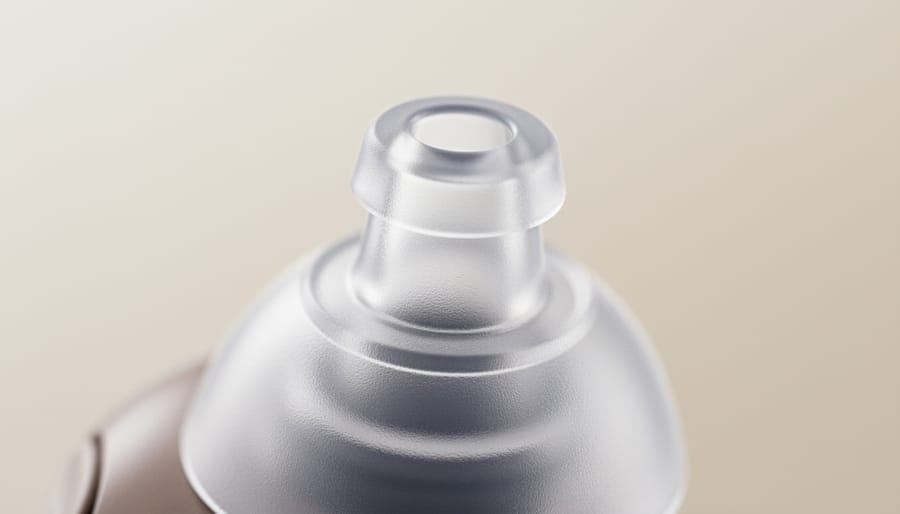
Your Signia hearing aid domes are small but crucial components that directly impact sound quality and comfort. These soft, bell-shaped tips sit at the end of your receiver and channel sound into your ear canal. Replace them every two to three months, or sooner if you notice earwax buildup, physical damage, or reduced sound clarity.
Think of domes like toothbrush heads. They require regular replacement to maintain optimal performance and hygiene. Worn domes can distort sound, cause feedback whistling, or create discomfort that makes you less likely to wear your devices consistently.
Signia offers multiple dome styles, from open designs that allow natural sound to pass through to closed options that provide maximum amplification. Choosing the right type and maintaining a replacement schedule ensures your hearing aids perform as intended. The fit matters more than many realize, because personalization changes everything when it comes to hearing aid effectiveness.
This guide walks you through the entire dome replacement process. You’ll learn exactly when to change them, how to identify the correct style for your needs, and the simple steps to swap them out safely at home. Most users can complete a dome change in under two minutes once they understand the technique.
What Are Hearing Aid Domes and Why They Matter
Hearing aid domes are the small, removable silicone tips that attach to the end of your Signia hearing aid’s receiver (the thin wire or tube that goes into your ear canal). They create the physical connection between the advanced technology in your hearing aid and your ear, making them far more important than their tiny size might suggest.
Think of domes as the final link in the chain that delivers processed sound to your eardrum. Your Signia device does sophisticated work amplifying and adjusting sounds based on your specific hearing loss, but all that technology depends on the dome to actually get those sounds where they need to go. The dome holds the receiver securely in place while creating a seal that manages how sound enters your ear canal.
This seal matters for two key reasons. First, it prevents feedback (that whistling sound) by stopping amplified sound from leaking back out and being picked up by the hearing aid’s microphone. Second, it controls how much natural sound enters your ear canal alongside the amplified sound from your device. Different dome styles manage this balance differently, which is why matching the right dome to your hearing loss pattern makes such a noticeable difference.
The soft silicone construction also provides comfort for all-day wear. When a dome fits properly and remains in good condition, you shouldn’t feel constant awareness of something in your ear. But as domes age and degrade, that comfortable fit disappears, and so does optimal hearing performance.
Signs It’s Time to Replace Your Signia Domes
Physical Wear You Can See and Feel
Your Signia domes are small, but inspecting them regularly takes just seconds and can save you from sudden hearing quality drops. Hold your dome up to good light and look for these telltale signs of wear.
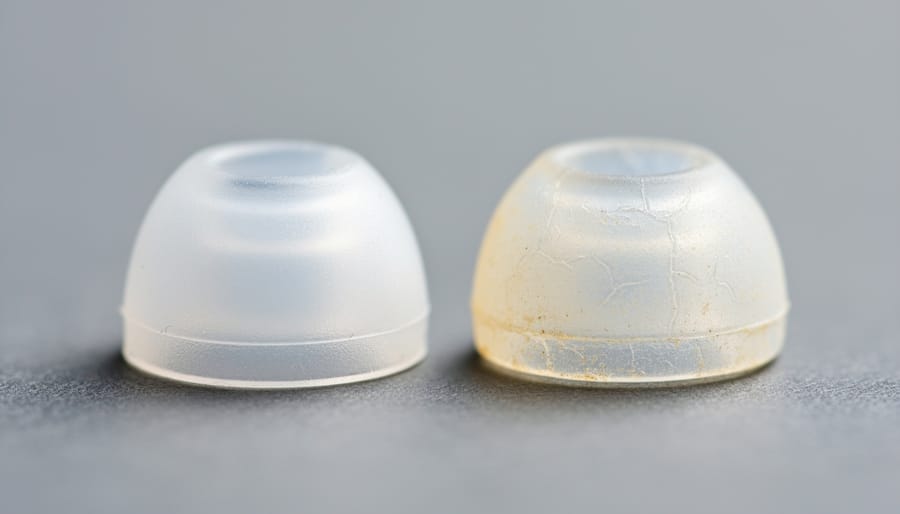
Tears or cracks in the silicone are the most obvious red flag. Even tiny splits compromise the seal in your ear canal, letting sound leak out and causing that annoying whistling feedback. Run your finger gently around the dome’s surface, if you feel any roughness or catch a fingernail on an edge, it’s time for a replacement.
Discoloration is equally important. Fresh domes are clear or have a consistent color. If yours has turned yellow, brown, or developed cloudy patches, that’s earwax and oils breaking down the material. This buildup affects both hygiene and acoustic performance.
The flexibility test is simple: gently squeeze the dome between your fingers. It should compress easily and spring back to shape. If it feels stiff, brittle, or stays compressed, the silicone has degraded and won’t maintain a proper seal anymore. A hardened dome also becomes uncomfortable, potentially irritating your ear canal during wear.
Performance Changes You’ll Notice
Sound quality degradation is often the first performance clue that your domes need replacing. You might notice speech becoming less clear, especially in conversations with multiple people. Consonants may sound muffled, making it harder to distinguish between words like “cat” and “hat.” Some users describe this as voices sounding “fuzzy” or “distant,” even when people are standing right next to them.
Feedback issues present another telltale sign. If you’re suddenly hearing whistling or squealing sounds that weren’t there before, worn domes have likely lost their seal against your ear canal. This whistling often gets worse when you chew, talk, or adjust your glasses. While occasional feedback can happen with properly fitted hearing aids, persistent whistling typically points to dome deterioration.
Changes in how your hearing aids fit signal dome problems too. You might feel them slipping out more easily during the day, or notice they don’t stay positioned correctly when you move your jaw. Some people experience a loose, uncomfortable sensation, while others find their devices suddenly feel too tight or create pressure points they didn’t notice before.
Volume inconsistency offers another clue. If you’re constantly adjusting volume settings or find yourself turning up the aids more than usual to hear clearly, the domes may no longer be channeling sound effectively into your ear canal.
How Often Should You Change Signia Domes
Most Signia users should replace their domes every two to three months under typical conditions. This timeline isn’t arbitrary, it reflects the point at which dome materials begin degrading enough to affect sound quality and fit, even when visible damage isn’t obvious yet.
Your individual replacement schedule might differ, though. People with particularly oily ear canals or those who produce more cerumen often need fresh domes closer to the monthly mark, since earwax accelerates material breakdown. If you wear your hearing aids 12-14 hours daily in dusty or humid environments, that constant exposure shortens dome lifespan compared to someone who wears theirs six hours in climate-controlled settings.
Pay attention to your body’s signals rather than strictly following a calendar. When domes start failing, they rarely announce it dramatically, instead, you’ll notice subtle shifts like reduced clarity in conversations, intermittent feedback that wasn’t there before, or the device feeling slightly loose in your ear. These changes often explain why your hearing aid isn’t working as well as it did a few weeks ago.
Some hearing professionals recommend marking dome change dates on your calendar or setting phone reminders at two-month intervals as a baseline check-in. At that point, examine the domes using the visual and tactile signs we covered earlier. If they still look pristine and your hearing quality remains excellent, you might stretch another few weeks. If you spot any degradation, replace them immediately.
The cost of replacement domes is minimal compared to the value of consistent, clear hearing. Waiting too long between changes doesn’t save money, it compromises the personalized hearing experience your Signia devices are designed to deliver.
Step-by-Step: Changing Your Signia Domes Safely
Before You Begin: What You’ll Need
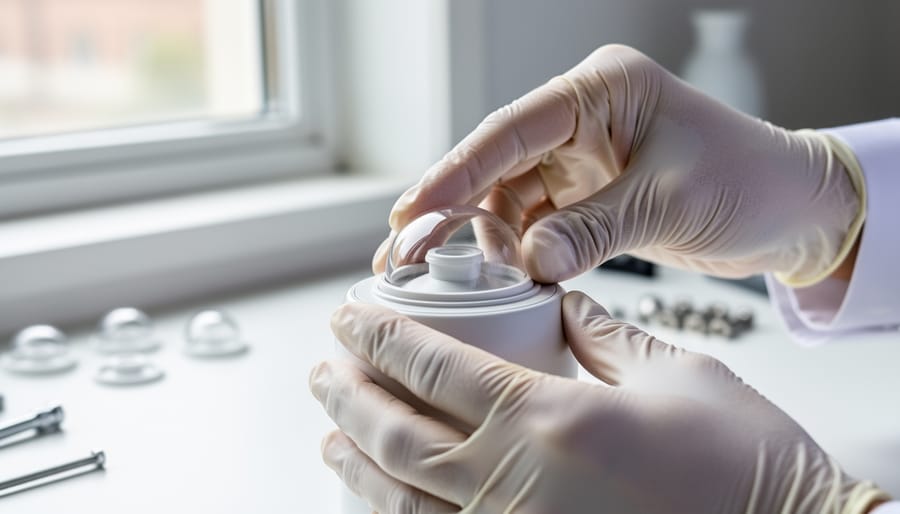
Successful dome replacement starts with proper preparation. Begin by washing your hands thoroughly with soap and warm water, then dry them completely, clean, dry hands prevent transferring oils, dirt, or moisture to your hearing aids and reduce infection risk.
Find a well-lit area where you can see clearly. Natural daylight near a window works best, or use a bright desk lamp positioned to illuminate your work surface without creating shadows. Place a clean, soft towel on a flat surface to catch the dome if it drops and prevent your hearing aid from rolling away.
Have your replacement domes within reach. Signia domes come in different sizes and styles, so verify you have the correct type before starting. Keep the packaging nearby so you can reference the size if needed.
Removing the Old Dome
Grip the dome firmly between your thumb and forefinger, then gently twist and pull it straight off the receiver. Don’t yank or tug at an angle, which risks damaging the delicate receiver wire inside.
If the dome feels stuck, resist the urge to force it. A gentle rocking motion while pulling can help break the seal without applying excessive pressure. The dome should slide off smoothly once you overcome the initial resistance.
Hold the hearing aid securely with your other hand to prevent dropping it during removal. Work over a soft surface like a towel in case the device slips from your grasp.
Some ear wax buildup on the dome is normal and expected. If you notice significant wax accumulation on the receiver tip after removing the dome, use a soft, dry cloth or the cleaning tool provided with your hearing aids to carefully wipe it away. Never use water, cleaning solutions, or sharp objects on the receiver.
Take your time with this step. Rushing increases the chance of bending the receiver wire, which can affect sound quality and require professional repair.
Installing the New Dome
Grip the new dome at its base, never pull on the soft tip, which can tear. Align the dome’s opening with the white receiver tube, holding the tube steady with your other hand to prevent bending. The dome should slide on smoothly without forcing.
Push firmly but gently until you feel resistance, then give a slight twist and final push. The dome must sit flush against the receiver’s retention ring, there should be no gap between the base and the ring. A properly seated dome won’t wobble or slide when you tug it gently.
Check the orientation: most Signia domes have a slightly angled shape that follows your ear canal’s natural curve. The dome should point forward when the hearing aid is positioned correctly behind your ear.
Test the seal by rolling the dome between your fingers. It should move as one piece with the receiver, not slip or rotate independently. If it feels loose, remove and reattach, a secure connection prevents feedback and ensures the dome stays in your ear during daily wear.
Choosing the Right Dome Type for Your Needs
Signia offers several dome styles, each designed for specific hearing needs and ear canal characteristics. Understanding the differences helps you recognize which type you’re currently using and why your hearing professional selected it.
| Dome Type | Key Features | Best For | Comfort Notes |
|---|---|---|---|
| Open | Vents allow natural sound in | Mild to moderate high-frequency loss | Least occlusive, minimal “plugged” feeling |
| Closed | Sealed design blocks natural sound | Moderate to severe loss across frequencies | More amplification power, may feel fuller in ear |
| Power | Double-walled for maximum seal | Severe hearing loss requiring high output | Firmest fit, prevents feedback at high volumes |
| Tulip | Unique shape with petals for retention | Active lifestyles, secure fit needed | Stays in place during movement, moderate seal |
Your initial dome selection came from a careful assessment by your hearing professional, who considered your audiogram results, ear canal size and shape, lifestyle needs, and comfort preferences. They balanced acoustic requirements with practical concerns like preventing feedback while maintaining natural sound quality where possible.
If you’ve noticed changes in your hearing or lifestyle since your fitting, the dome type that worked initially might not be optimal anymore. Perhaps you’ve become more active and need better retention, or your hearing has changed enough to warrant a different seal level. Independent hearing aid professionals can reassess your needs and switch you to a more appropriate dome style without requiring new hearing aids.
Don’t hesitate to discuss dome options during follow-up appointments. Small adjustments in dome type can significantly improve both comfort and performance. Your professional can also provide multiple dome types for you to keep on hand, letting you switch based on different situations like wearing headphones or participating in sports. This customization flexibility is part of what makes modern hearing aids adaptable to your evolving needs.
Common Mistakes to Avoid
Even experienced hearing aid users sometimes fall into traps that undermine their hearing quality. One frequent mistake is reusing domes past their useful life. Many people assume a dome that looks “okay” is still performing well, but degraded material compromises both seal and sound quality. Set a calendar reminder rather than relying on memory or visual inspection alone.
Another common error is forcing domes onto receivers. If a dome resists attachment, you’ve likely selected the wrong size or are positioning it incorrectly. Never push hard, you risk damaging the delicate receiver tube. Instead, ensure the dome opening aligns precisely with the receiver’s end, then gently twist it on until secure.
Some users clean domes hoping to extend their lifespan. Unfortunately, washing can accelerate material breakdown and introduce moisture into sensitive electronics. Domes are designed as disposable components; cleaning them saves pennies while risking hundreds in potential hearing aid damage.
Purchasing random generic domes online rather than Signia-specific ones often backfits poorly, creating feedback issues and discomfort. Signia engineers design domes to match their receivers’ dimensions and acoustic properties. Using incompatible domes means your carefully customized hearing aids can’t deliver the benefits you’ve paid for.
Finally, many people change domes without washing their hands first, introducing oils, bacteria and debris directly into their ear canals. A quick hand wash takes thirty seconds but prevents infections and keeps your hearing aids cleaner longer. If you’re struggling with proper fit despite following these guidelines, improve your fit by consulting your hearing professional for personalized adjustments.
When to Seek Professional Help
Most dome changes are straightforward and safe to do yourself at home. However, certain situations call for professional expertise to protect your hearing and your device.
Consult an independent hearing professional if you notice persistent issues even after replacing your domes, ongoing feedback, discomfort, or reduced sound clarity may indicate that your hearing needs have changed or that a different dome style would serve you better. A qualified audiologist can reassess your hearing and recommend adjustments that go beyond simple dome replacement.
If you’re experiencing ear pain, drainage, excessive wax buildup, or signs of infection, schedule an appointment before attempting any dome changes. These conditions require medical evaluation, and manipulating your hearing aid could worsen the problem or push debris further into your ear canal.
When domes repeatedly fall off or won’t stay attached to the receiver, this points to compatibility or installation issues that professional eyes can diagnose quickly. Similarly, if you’ve accidentally damaged the receiver wire while changing domes, don’t try to fix it yourself, professional repair prevents further harm to your device.
First-time hearing aid users often benefit from having a professional demonstrate proper dome changing technique during initial fitting appointments. This hands-on guidance builds confidence and ensures you’re using the correct replacement size and style.
Remember that customized hearing care extends beyond the technology itself. Independent hearing professionals offer personalized support that considers your unique ear anatomy, lifestyle, and hearing goals, expertise that makes the difference between adequate hearing and truly optimized performance.
Taking care of your Signia hearing aid domes isn’t complicated, but it makes a real difference in how well you hear every day. Those small pieces of silicone play a surprisingly large role in delivering the customized hearing experience your devices were designed to provide.
By checking your domes regularly and replacing them when you notice wear or performance changes, you’re protecting your investment and ensuring consistent sound quality. Most users find that setting a simple reminder every few months keeps this task manageable and prevents problems before they start.
Remember, you’re not alone in this process. Independent hearing professionals are available whenever you need guidance on dome selection, replacement technique, or troubleshooting concerns. They understand that hearing care works best when it’s personalized to your specific needs and lifestyle.
Your hearing health matters, and you have more control over it than you might think. Something as straightforward as fresh, properly fitted domes can transform frustrating listening situations into clear, comfortable conversations. That’s the power of staying proactive with the basics.