
Your hearing feels unique because it is. Two people with identical audiograms can experience sound completely differently, which explains why your neighbor raves about hearing aids that left you disappointed. Generic, one-size-fits-all devices ignore how your brain processes speech, how you move through noisy restaurants, and which sounds matter most in your daily life.
Personalized hearing aids go beyond basic amplification. They account for your specific hearing loss pattern, lifestyle demands, and even the shape of your ear canal. Advanced fitting processes measure not just what you can’t hear, but how your auditory system interprets complex soundscapes. This customization determines whether you’ll actually wear your devices or leave them in a drawer.
The difference shows up in real moments: understanding your grandchild’s voice during a video call, following conversation at your book club, or hearing approaching cars while walking. Modern personalization technology adapts to your environments automatically, learns your preferences over time, and adjusts as your hearing changes.
Independent audiologists provide crucial guidance through this process. Unlike retail chains tied to specific manufacturers, independent experts evaluate your needs first, then match you with appropriate technology from multiple brands. They fine-tune programming through follow-up visits, troubleshoot challenges, and ensure your investment delivers meaningful improvement to your quality of life.
The question isn’t whether personalization matters. It’s whether you’re ready to experience hearing solutions designed specifically for you rather than settling for generic amplification that serves no one particularly well.
What Makes a Hearing Aid Truly Personalized?
When you think about personalized hearing aids, it’s helpful to understand that not all customization is created equal. Standard hearing aids typically offer basic volume adjustments and perhaps a few preset programs. While these can help, they often fall short of addressing your unique hearing needs.
True personalization begins with understanding your specific hearing pattern. Each person experiences hearing loss differently—you might struggle with high-pitched sounds like birds chirping or children’s voices, while someone else has trouble with low frequencies. A genuinely personalized hearing aid maps your exact hearing profile across different frequencies, adjusting amplification precisely where you need it most, rather than simply making everything louder.
Beyond the technical aspects, personalization considers how you actually live your life. Do you spend time in noisy restaurants, attend concerts, or prefer quiet reading at home? Your daily activities matter. A personalized approach tailors settings to match your lifestyle, ensuring you hear clearly whether you’re in a bustling coffee shop or having a one-on-one conversation.
Physical customization also plays a crucial role. Your ear canals are as unique as your fingerprint. Custom-molded hearing aids fit your ears specifically, providing better comfort and sound quality while reducing feedback issues that plague generic designs.
Working with independent experts makes a significant difference in achieving true personalization. Unlike professionals tied to specific manufacturers, independent specialists can objectively assess your needs and recommend from a broader range of advanced technologies. They take time to understand not just your hearing loss, but your preferences, concerns, and goals—creating a truly customized solution rather than fitting you into a one-size-fits-all approach.
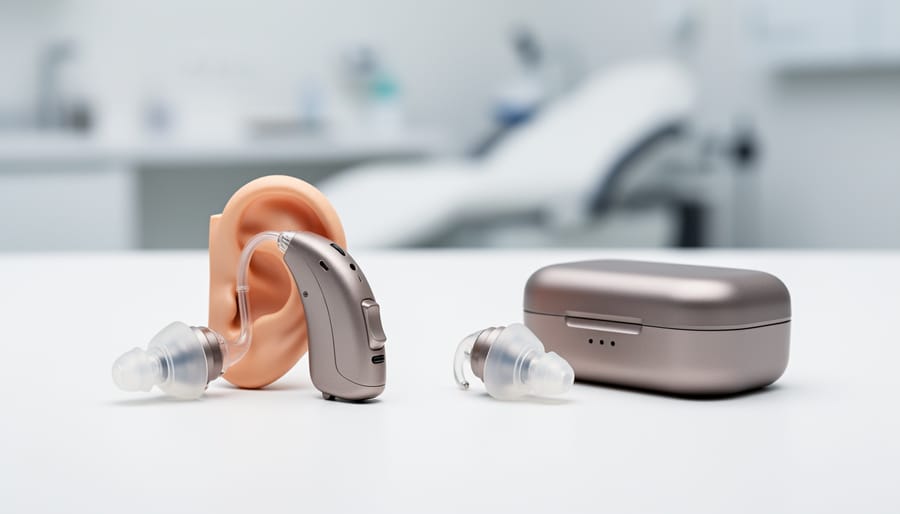
The Four Pillars of Personalized Hearing Solutions
Your Unique Hearing Profile
Your hearing is as unique as your fingerprint. Just as no two people share identical vision or taste preferences, hearing loss varies significantly from person to person. Some people struggle primarily with high-pitched sounds like birdsong or children’s voices, while others find low frequencies challenging. Background noise in restaurants might overwhelm you, yet someone else may hear conversations clearly in the same environment.
A comprehensive hearing assessment maps these individual patterns by testing your hearing across different frequencies and sound levels. This detailed profile reveals not just that you have hearing loss, but exactly where and how it affects your daily life. Advanced testing can also evaluate how you process speech in various situations, from quiet rooms to bustling cafes.
This is why one-size-fits-all hearing aids often disappoint. A generic device might amplify all sounds equally, making some too loud while leaving others unclear. Without understanding your specific hearing fingerprint, even the most expensive hearing aid becomes just another ill-fitting solution. True personalization begins with knowing your unique hearing challenges, allowing technology and expert guidance to address your individual needs rather than applying a broad-brush approach.
Custom Physical Fit and Comfort
A hearing aid that doesn’t fit comfortably is one you’re less likely to wear consistently, which means you won’t experience the full benefits of improved hearing. That’s why physical customization is just as important as the technology inside the device.
Modern personalized hearing aids offer multiple sizing options and custom ear molds designed specifically for your unique ear shape. During your fitting appointment, an audiologist takes precise impressions or digital scans of your ear canal. This ensures your device sits securely and comfortably, whether you choose a behind-the-ear model or a nearly invisible in-canal design.
Comfort directly impacts how well your hearing aid performs. A proper fit creates an effective seal that prevents sound from leaking out, which can cause annoying feedback whistles. It also ensures the device stays in place during daily activities like exercising, talking on the phone, or simply moving throughout your day.
If you experience discomfort or your hearing aid feels loose, don’t hesitate to schedule a follow-up adjustment. Your hearing care professional can modify the fit or remake custom molds if needed. Remember, even small adjustments can make a significant difference in your willingness to wear your hearing aids all day, every day.
Lifestyle-Matched Technology Features
Your hearing aids should work with your life, not against it. That’s why modern personalization goes beyond just adjusting volume—it considers how you actually spend your day.
Think about your typical routine. Do you work in a busy office with background chatter? Attend weekly community meetings? Enjoy dining out with family? Your hearing specialist will explore these scenarios with you to identify which technology features matter most. Someone who frequently attends concerts might benefit from different settings than someone who primarily needs clearer one-on-one conversations at home.
Your work environment plays a significant role too. Teachers, healthcare workers, and retail employees face unique listening challenges that require specific solutions. Similarly, your hobbies matter—whether you’re an avid phone user, love watching television, or spend time in nature.
This lifestyle-focused approach ensures you’re not paying for features you’ll never use while guaranteeing you have the technology that genuinely improves your daily experiences. Independent experts excel at this matching process because they have access to multiple brands and can recommend what truly fits your needs rather than promoting a single product line. The result is hearing aids that feel like a natural extension of how you live.
Ongoing Adjustments and Fine-Tuning
Getting your personalized hearing aids is just the beginning of your journey to better hearing. The real magic happens through ongoing adjustments and fine-tuning based on your everyday experiences.
After your initial fitting, plan to schedule follow-up appointments with your hearing care professional. These visits are essential for refining your settings as you encounter different listening environments—from quiet conversations at home to bustling restaurants or outdoor activities. What works perfectly in a quiet clinic may need tweaking when you’re navigating real-world situations.
Don’t hesitate to share feedback about your experiences. Perhaps voices sound too sharp, or you’re struggling with background noise in specific settings. Your hearing care provider can make targeted adjustments to address these concerns. Many modern hearing aids also allow for remote fine-tuning, making it easier to get help without an office visit.
Remember, your hearing needs may change over time due to natural progression or lifestyle shifts. Regular check-ins ensure your devices continue meeting your evolving requirements. This collaborative, ongoing relationship with your hearing care professional transforms your hearing aids from a one-time purchase into a dynamic solution that grows with you, maximizing your investment and quality of life.
How Independent Hearing Professionals Make the Difference
When you’re searching for personalized hearing aids, who you work with matters just as much as the technology itself. Independent hearing professionals offer something truly valuable: the freedom to recommend what’s genuinely right for you, without being tied to a single manufacturer or limited product line.
Unlike practices affiliated with specific brands, independent experts have access to a wide range of hearing aid manufacturers and technologies. This means your hearing solution isn’t chosen from a narrow selection, but from the entire marketplace of available options. Your unique hearing profile, lifestyle needs, and budget guide their recommendations, not corporate partnerships or sales quotas.
These professionals take the time to understand how you live your life. Do you attend concerts? Work in noisy environments? Struggle with phone conversations? Your real-world challenges shape their approach. They can objectively compare features across different brands, explaining which technologies will genuinely improve your specific situation rather than simply promoting the latest model.
Independent hearing professionals also prioritize ongoing education and training. The hearing aid industry evolves rapidly, with new personalization features and adjustment capabilities emerging regularly. Committed experts stay current with these advancements through continuing education, ensuring you benefit from the latest innovations regardless of when they become available.
Perhaps most importantly, independent professionals build long-term relationships focused on your success. They’re there for adjustments, troubleshooting, and upgrades as your hearing needs change over time. Their reputation depends on your satisfaction and improved quality of life, not meeting corporate sales targets.
This patient-first approach transforms the hearing aid journey from a transactional purchase into a personalized partnership, where someone truly knowledgeable advocates for your best interests every step of the way.
Advanced Technology That Adapts to You
Today’s hearing aids represent a remarkable leap forward from the devices many people remember their grandparents wearing. Modern personalized hearing aids now feature intelligent technology that learns from your daily experiences and automatically adjusts to provide the clearest sound possible, wherever life takes you.
At the heart of these advancements is artificial intelligence. AI-driven sound processing analyzes your listening environment hundreds of times per second, recognizing whether you’re in a quiet library, bustling restaurant, or outdoor setting. The device then automatically fine-tunes itself to optimize speech clarity while reducing unwanted background noise. This happens seamlessly, without you needing to press any buttons or make manual adjustments.
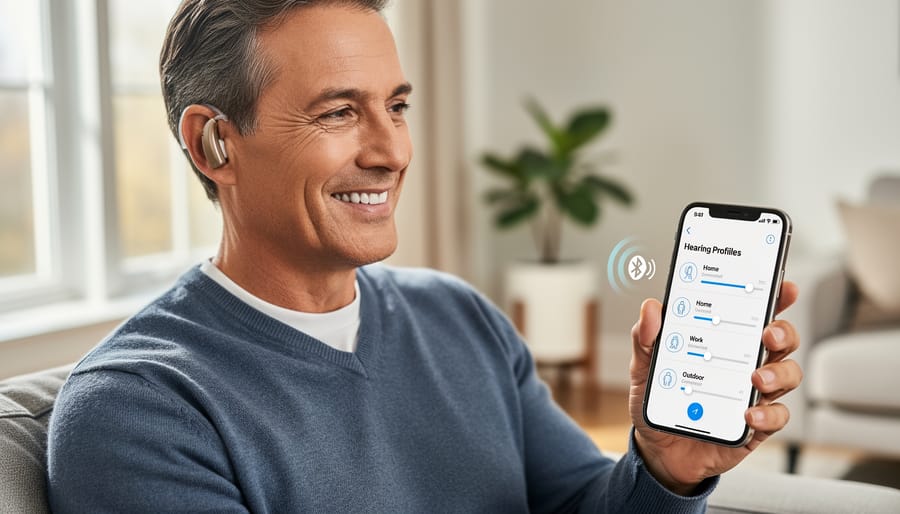
Many contemporary hearing aids also connect directly to your smartphone, putting personalized control right in your pocket. Through dedicated apps, you can discreetly adjust volume levels, change listening programs, or even stream phone calls and music directly to your devices. This connectivity means you’re never stuck with settings that don’t quite feel right.
Environmental adaptation features take personalization even further. Advanced devices can detect wind noise during outdoor activities, suppress feedback before it becomes noticeable, and even recognize familiar locations like your home or office, automatically switching to your preferred settings for each space.
What makes these technologies truly valuable is how they work together to create a natural listening experience. Rather than amplifying everything equally, personalized hearing aids intelligently process sound to match your specific hearing profile and current situation. The result feels less like wearing a medical device and more like simply hearing better.
Independent hearing care professionals stay current with these technological advancements and can help you understand which features will genuinely benefit your lifestyle, ensuring your investment delivers meaningful improvements to your daily life.
What to Expect During Your Personalization Journey
Getting personalized hearing aids is a journey designed around your unique needs, and understanding the process can help you feel more confident every step of the way.
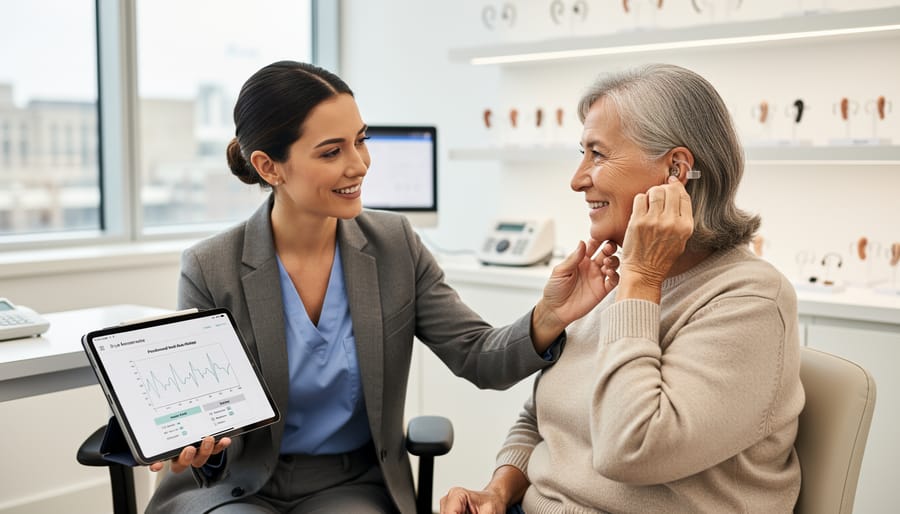
Your experience begins with a comprehensive hearing assessment conducted by a qualified audiologist. This isn’t just a simple hearing test. Your specialist will evaluate your hearing thresholds across different frequencies, assess your speech understanding in various environments, and discuss your lifestyle, listening challenges, and personal preferences. This initial consultation typically takes 60 to 90 minutes and forms the foundation for your personalized solution.
Next comes the fitting appointment, where your hearing aids are programmed specifically for your hearing profile. Your audiologist uses your assessment results to configure the devices, adjusting amplification levels, frequency responses, and special features to match your needs. You’ll have the opportunity to experience the devices in real-time, providing feedback that allows for immediate fine-tuning.
The personalization doesn’t end when you leave the office. Most providers schedule follow-up appointments within the first few weeks to address any adjustments needed as you adapt to amplified sound. Many modern hearing aids also support remote adjustments, allowing your audiologist to fine-tune settings between visits based on your experiences in everyday situations.
Throughout this journey, independent expert advice ensures you receive unbiased recommendations focused solely on your hearing health. This collaborative approach, supported by advanced technology, creates a truly customized experience that evolves with your changing needs and preferences.
Your journey to better hearing doesn’t have to feel overwhelming or complicated. Personalized hearing aids represent more than just advanced technology—they’re about reclaiming the connections, conversations, and experiences that matter most to you. When your hearing solution is truly customized to your unique hearing profile, lifestyle needs, and personal preferences, the difference can be genuinely life-changing.
The key to success lies in working with qualified independent professionals who prioritize your individual needs over one-size-fits-all approaches. These experts take the time to understand your specific challenges, whether that’s hearing grandchildren’s voices, enjoying music, or participating confidently in work meetings. They offer unbiased guidance and access to the latest technology without being limited to a single manufacturer’s products.
Remember, seeking help is a positive step forward, not a limitation. Today’s personalized hearing solutions are more comfortable, effective, and discreet than ever before. With the right support and customized care, you can look forward to renewed confidence, stronger relationships, and a richer quality of life. You deserve hearing care that’s as unique as you are.