Research

Assistive Technology for Disability and Rehabilitation: What’s Transforming Lives in 2026
Awareness, Hearing Care Services, Research

Assistive Technology for Disability and Rehabilitation: What’s Transforming Lives in 2026

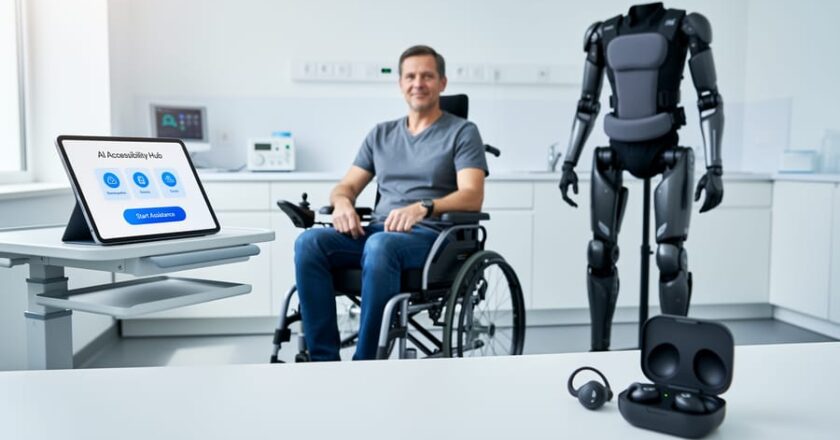
Assistive technology for disability and rehabilitation encompasses specialized devices, software, and equipment that help people with physical, sensory, cognitive, or developmental disabilities regain independence, participate more fully in daily activities, and achieve rehabilitation goals. These tools range from simple adaptive utensils and mobility aids to sophisticated communication devices, environmental control systems, and sensory prosthetics that restore lost function or compensate for impairments. The right assistive technology can transform rehabilitation outcomes and quality of life, but choosing appropriate solutions requires understanding both your specific needs and the rapidly evolving options available in 2026. For people with hearing loss, this might mean advanced hearing...
Why Face Masks Make It Harder to Hear (And What You Can Do About It)
Hearing Care Services, Profession, Research

Why Face Masks Make It Harder to Hear (And What You Can Do About It)

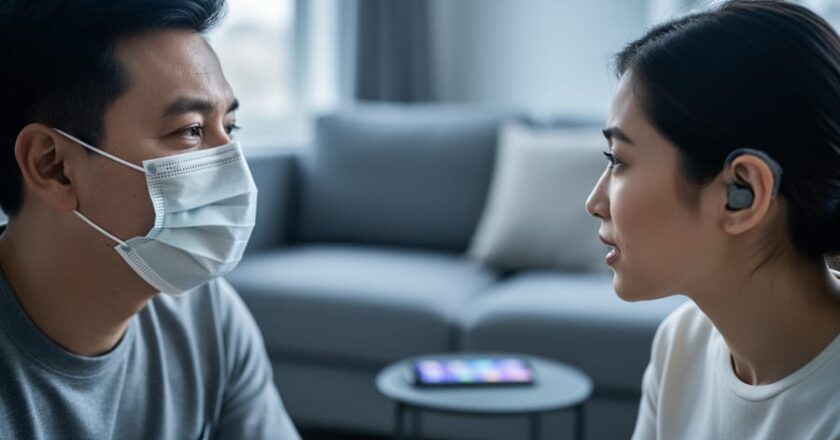
Face masks create a significant barrier to communication for people with hearing loss, reducing auditory clarity by up to 20 decibels and hiding crucial visual cues like lip movements and facial expressions. The solution requires a two-part approach: people with hearing impairment can use assistive listening devices, smartphone amplification apps, and clear communication strategies, while those speaking to them should optimize their speech techniques, use transparent masks when appropriate, and create better listening environments. The challenge became widespread during recent public health measures, but the communication barriers masks create extend far beyond temporary circumstances. Whether you wear hearing aids or simply find it harder to follow conversations when people cover their f...
When to Change Your Signia Hearing Aid Domes (Before They Fail You)
Hearing Care Services, Profession, Research

When to Change Your Signia Hearing Aid Domes (Before They Fail You)

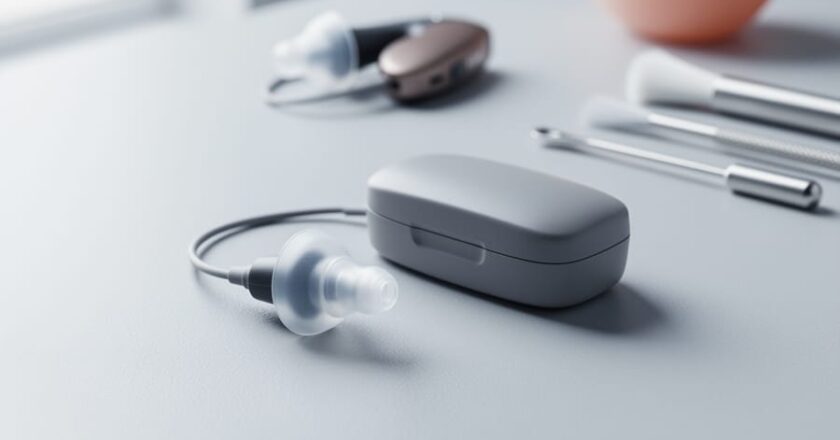
Your Signia hearing aid domes are small but crucial components that directly impact sound quality and comfort. These soft, bell-shaped tips sit at the end of your receiver and channel sound into your ear canal. Replace them every two to three months, or sooner if you notice earwax buildup, physical damage, or reduced sound clarity. Think of domes like toothbrush heads. They require regular replacement to maintain optimal performance and hygiene. Worn domes can distort sound, cause feedback whistling, or create discomfort that makes you less likely to wear your devices consistently. Signia offers multiple dome styles, from open designs that allow natural sound to pass through to closed options that provide maximum amplification. Choosing the right type and maintaining a replacement schedu...
Can Essential Oils Improve Hearing Loss and Tinnitus?
Research

Can Essential Oils Improve Hearing Loss and Tinnitus?

Essential oils have been used medicinally for centuries and are becoming more popular. This is mainly due to growing interest in complementary and alternative medicine, as well as an increase in sales tactics. With so many individuals suffering from hearing loss, it is natural to seek out a quick fix. Some essential oils may assist with hearing loss and tinnitus. Even CBD oils have been used to treat several neurological disorders. However, research on the link between cannabis and tinnitus has been deemed inconclusive. There is also a lack of data on adverse effects. What Causes Hearing Loss and Tinnitus Tinnitus is most commonly caused by an injury to the small hair cells inside the eardrum. That is why tinnitus generally affects people as they get older. Still, it is fairly ...
Psychologists Must Prevent “Tinnitus Timebomb” Explosion
Research

Psychologists Must Prevent “Tinnitus Timebomb” Explosion

Tinnitus happens when a person hears a sound without an external source. This condition torments people and compromises their quality of life. The pandemic made the case worse for these patients as it prevents their much-needed care from GPs and specialists from coming. For this reason, the BTA or British Tinnitus Association’s battle cry is for psychologists and other secondary care professionals to step in and address the mental health challenges brought by this condition. This condition has been linked to depression and anxiety. Data show that GPs had to refer tinnitus patients to tinnitus and ENT specialists because they can reduce the patients’ stress by 1.7%. But due to the pandemic and the social restrictions it caused, 1 in 3 GPs have had rejected referrals to specialists. ...
Tapping into Deep Neural Networks Advancing Hearing Care Technology
Research

Tapping into Deep Neural Networks Advancing Hearing Care Technology

Thomas Behrens of Oticon has something to say regarding technological advancements in AI when it comes to hearing health. Behrens is the company’s Senior Director of the Centre for Applied Audiology Research. He has first-hand knowledge on the focus of hearing aid technology, how instruments are being developed, the benefits to users, etc. According to Behrens, they have uncovered new information about the brain’s auditory center which allowed them to reinvent hearing technology, focusing on deep neural networks instead of noise reduction. Behrens added that deep neural networks allow the brain to create a complete sound scene so it can focus on what it needs to pay attention to. To create these sound scenes, they developed an AI that can take more detail into account so that the per...
Can Drinking Coffee Make Men Less at Risk to Hearing Loss?
Research

Can Drinking Coffee Make Men Less at Risk to Hearing Loss?

The link between coffee and lower risks of hearing impairment is backed by a research team from the University of Madrid, the capital of Spain. The research team conducted a longitudinal study entitled Coffee consumption and risk of hearing impairment in men and women. It was participated by 16,142 men and 20,781 women. Before their coffee intake was recorded, their hearing was tested first. Throughout the 11-year research wherein the participants consumed 1.6 cups of coffee daily (on average), follow-up hearing tests were conducted twice. The results showed that men who consumed more coffee had a lower risk of developing hearing problems. The type of coffee was an insignificant variable. According to the researchers, this benefit may have stemmed from the coffee’s properties that pr...