
Yes, vaping can cause ear problems, and if you’re experiencing ear fullness, ringing, or muffled hearing after vaping, nicotine-induced blood vessel constriction is the most likely culprit. Nicotine narrows the tiny blood vessels in your inner ear, reducing oxygen delivery to the delicate cells responsible for hearing and balance. The quickest diagnostic check: if your ear symptoms appear within an hour of vaping and fade over several hours, vascular constriction is almost certainly to blame.
Beyond immediate circulation issues, the chemicals in vape aerosol can irritate your Eustachian tubes (the passages connecting your middle ear to your throat), triggering inflammation that mimics the pressure and popping sensations of a blocked ear. Some people also develop middle ear infections when vaping compromises their natural defenses against bacteria.
Stop vaping immediately if you experience sudden hearing loss, severe vertigo, or sharp ear pain. These symptoms require urgent medical attention, as permanent damage can occur within days. For milder symptoms like occasional fullness or tinnitus, this guide will walk you through identifying your specific problem, understanding why it’s happening, and taking practical steps to protect your hearing while you address your vaping habit. We’ll also help you weigh the ear health risks against other nicotine delivery methods and show you how to prevent future problems.
Recognizing Ear and Hearing Symptoms Related to Vaping
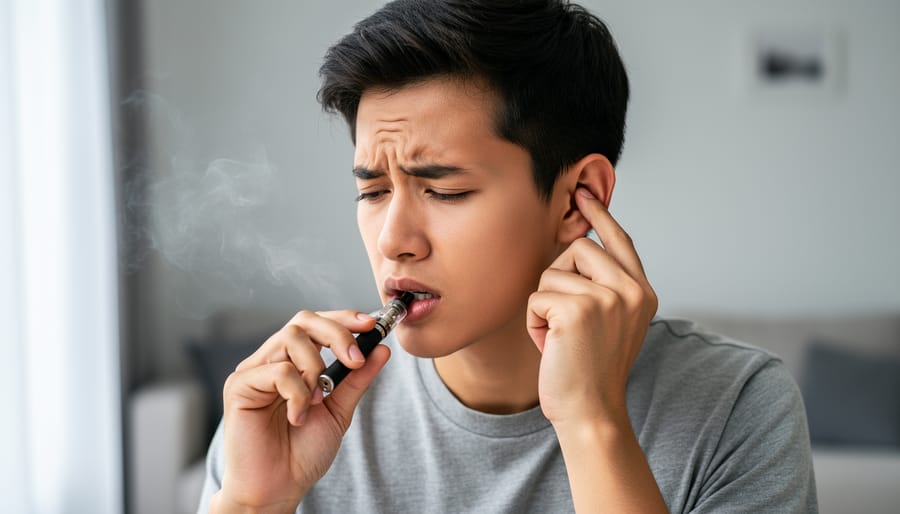
If you’ve been vaping and recently noticed changes in your hearing or ear sensations, you’re not alone in wondering whether the two might be connected. Many vapers experience ear-related symptoms without realizing their habit could be a contributing factor. Recognizing these signs early gives you the best chance to address them before they become permanent.
Common symptoms that may indicate vaping is affecting your ears include:
- Tinnitus: persistent ringing, buzzing, or hissing sounds that aren’t coming from your environment
- Muffled hearing: sounds seem distant or unclear, as if you’re underwater or wearing earplugs
- Ear fullness or pressure: a blocked or stuffed sensation, similar to altitude changes during flight
- Balance issues or dizziness: feeling unsteady, lightheaded, or experiencing vertigo episodes
- Increased sensitivity to sound: everyday noises seem uncomfortably loud or cause discomfort
- Popping or crackling: unusual sounds when swallowing, yawning, or moving your jaw
These symptoms can appear gradually or seem to come and go, which makes the connection to vaping less obvious. You might notice them more after a vaping session or find they worsen during periods of heavier use.
When should you seek professional evaluation? If you experience sudden hearing loss in one or both ears, seek immediate medical attention. This requires urgent care, regardless of the cause. You should also schedule a hearing assessment if symptoms persist for more than a week, steadily worsen, or significantly affect your daily life and communication. Don’t wait if you’re experiencing severe dizziness that affects your balance or if ear pain accompanies the hearing changes.
Some mild, temporary symptoms like slight ear fullness might resolve within a few days if you reduce or stop vaping. However, tinnitus and hearing changes shouldn’t be dismissed as something you simply adapt to. The earlier you consult an independent hearing professional, the better your chances of preventing lasting damage and finding effective solutions tailored to your specific situation.
Understanding How Vaping Can Affect Your Ears and Hearing
Nicotine’s Effect on Blood Flow to the Ear
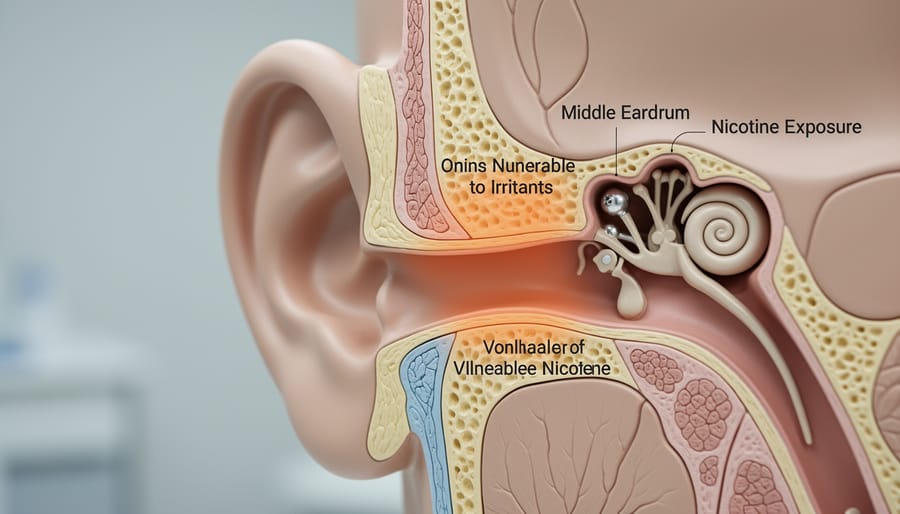
Your inner ear relies on a steady supply of oxygen-rich blood to function properly, much like any other organ in your body. When you vape, nicotine enters your bloodstream and acts as a vasoconstrictor, it causes blood vessels throughout your body to narrow, including the tiny vessels supplying your ears.
Think of it like pinching a garden hose: the flow reduces dramatically. The hair cells in your cochlea, which convert sound vibrations into signals your brain can understand, are especially vulnerable to this reduced blood flow. These delicate cells have high energy demands but limited ability to store oxygen, so they depend on constant circulation to stay healthy.
When nicotine restricts blood flow, these hair cells essentially starve. Even temporary reductions in oxygen can stress them, and repeated exposure compounds the damage over time. Unlike many cells in your body, cochlear hair cells don’t regenerate. Once they’re damaged or die from inadequate blood supply, the hearing loss is permanent.
This vascular restriction doesn’t just affect the cochlea. The entire auditory system, including the auditory nerve pathways, needs robust circulation to maintain healthy function. Regular vaping creates an environment where these structures operate under constant stress.
Chemical Irritation and Inflammation
Your ears contain delicate, moist tissues that are particularly vulnerable to chemical exposure. When you inhale vapor, the propylene glycol, vegetable glycerin, flavorings, and other chemicals don’t just stay in your lungs, they enter your bloodstream and can irritate the lining of your middle ear and Eustachian tubes.
The Eustachian tubes, which connect your middle ear to the back of your throat, are responsible for equalizing pressure and draining fluid. Vaping chemicals can inflame these narrow passages, causing them to swell and trap fluid in your middle ear. This creates that uncomfortable feeling of fullness or pressure, like you’re underwater or on an airplane that won’t pop.
This inflammation can also trigger or worsen middle ear infections. When your Eustachian tubes can’t drain properly, fluid accumulates and becomes a breeding ground for bacteria. You might notice muffled hearing, aching, or a sensation that sounds are coming through cotton. Nicotine damages cochlear cells and the chemical irritants compound this damage by creating ongoing inflammation that prevents your ears from functioning normally. This cycle of irritation and fluid buildup can persist as long as you continue vaping, making it difficult for your ears to heal naturally.
Direct Damage to Hearing Structures
The tiny hair cells in your cochlea, the structures that convert sound vibrations into electrical signals your brain understands, can be permanently damaged by the chemicals in vape aerosol. Unlike skin or muscle, these hair cells don’t regenerate once destroyed. Prolonged nicotine exposure may weaken them over time, making them more vulnerable to damage from everyday noise levels that wouldn’t normally cause harm.
The auditory nerve pathways that carry signals from your ear to your brain can also be affected. Chemical irritants in vape aerosol may contribute to oxidative stress in these delicate neural tissues, potentially interfering with how sound information travels. This type of damage can manifest as difficulty understanding speech, especially in noisy environments, even when pure-tone hearing tests appear normal. The longer and more frequently you vape, the greater the cumulative risk to these irreplaceable structures.
Step-by-Step Solutions to Address Vaping-Related Ear Problems
Immediate Actions: Reducing or Stopping Vaping
If you’re experiencing ear problems and suspect vaping might be the cause, the most effective step you can take is reducing or stopping your nicotine intake. This isn’t easy, nicotine is highly addictive, but even gradual reduction can help restore blood flow to your inner ear and give damaged tissues a chance to recover.
Start by tracking your current vaping frequency, then set realistic reduction goals. Consider switching to lower nicotine concentrations or extending the time between vaping sessions. Some people find success alternating vaping days with nicotine-free days, allowing their ear structures periods of improved circulation.
If quitting entirely feels overwhelming right now, any reduction is better than none. Your inner ear’s delicate hair cells and blood vessels begin recovering as soon as nicotine levels drop. Keep a symptom diary noting changes in tinnitus, fullness, or hearing clarity, many people notice improvements within days to weeks of reducing intake.
Remember, this is about protecting your hearing long-term. Free cessation resources including quitlines, apps, and support groups can make the process more manageable. Your hearing health is worth the effort.
Managing Symptoms at Home
While you’re arranging professional evaluation, several safe measures can ease discomfort. For ear pressure or fullness, try the Valsalva maneuver: gently blow through your nose while pinching it closed. Yawning or swallowing can also help equalize pressure. Staying well-hydrated thins mucus and supports Eustachian tube function.
If you’re experiencing tinnitus, reduce caffeine and alcohol intake, as both can worsen ringing. Background sound, a fan, soft music, or white noise, can make the ringing less noticeable, especially at night. Learning about tinnitus and diet may help you identify and avoid trigger foods that aggravate your symptoms.
Avoid inserting anything into your ear canal, and skip decongestants unless recommended by your doctor. These approaches provide temporary relief but won’t address underlying vaping-related damage, which is why professional assessment remains essential.
When and How to Seek Professional Hearing Evaluation
If you’ve noticed ear symptoms after vaping, schedule a hearing evaluation within two weeks, especially if you experience sudden hearing changes, persistent ringing, or balance problems. Don’t wait to see if symptoms resolve on their own, as early intervention can prevent permanent damage.
When you book your appointment with an independent hearing professional, be upfront about your vaping history. Share how long you’ve vaped, what products you use, and when symptoms started. This information helps your specialist identify patterns and rule out other causes.
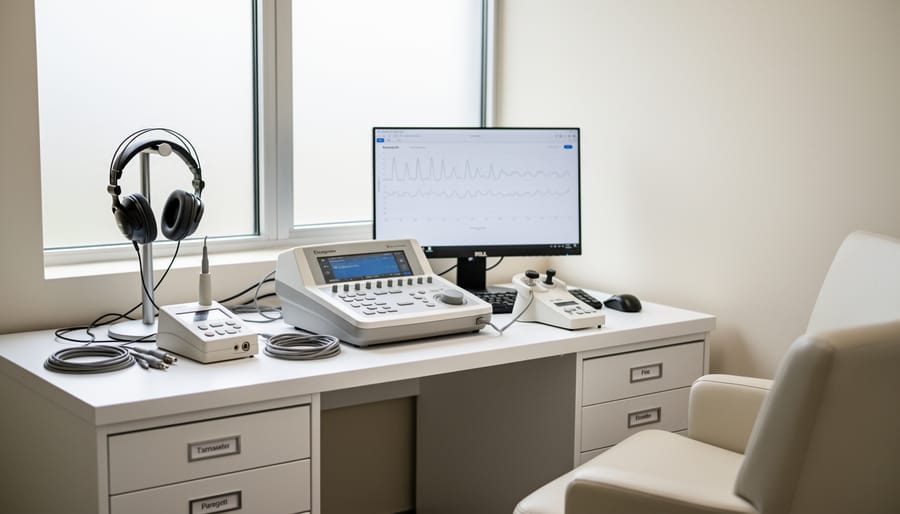
During the evaluation, expect a thorough examination including visual inspection of your ear canals, hearing tests at different frequencies, and possibly tympanometry to check middle ear function. Your audiologist may also assess your Eustachian tube function if you’ve experienced pressure or fullness.
Independent hearing professionals offer unbiased assessments focused on your specific needs rather than product sales. They can determine whether your symptoms stem from vaping-related vascular changes, inflammation, or other factors, and recommend appropriate treatment whether that’s monitoring, management strategies, or hearing aids if damage has occurred.
Be honest about your willingness to quit or reduce vaping. Your hearing specialist can work with you on realistic solutions and connect you with cessation resources if you’re ready.
Treatment and Support Options
If vaping has already caused hearing damage, several treatment paths can help. An independent hearing professional will assess your specific situation and recommend appropriate interventions.
For permanent hearing loss, properly fitted hearing aids restore clarity and connection. Modern devices offer advanced features, and hearing aid personalization ensures your technology matches your unique hearing profile and lifestyle needs. Regular maintenance matters too, remember to change domes as recommended to keep devices performing optimally.
Tinnitus management combines sound therapy, counseling, and sometimes specialized hearing devices that mask ringing while amplifying speech. Many people find significant relief through these approaches, especially when combined with vaping cessation.
Quitting vaping itself is crucial treatment. Your hearing professional can connect you with cessation resources, including nicotine replacement therapies, behavioral support programs, and quitlines that understand the challenges you’re facing.
Comparing Vaping-Related Ear Problems to Other Causes
Vaping-related ear problems can be tricky to identify because the symptoms often mimic more familiar causes. When your ears ring or feel clogged, you might first assume it’s a cold coming on or chalk it up to aging. This overlap is precisely why vaping gets overlooked: the damage develops gradually, without the obvious trigger of a loud concert or the telltale pain of an ear infection.
| Cause | Typical Symptoms | Onset Timeline | Distinguishing Features |
|---|---|---|---|
| Vaping | Tinnitus, muffled hearing, ear fullness, dizziness | Gradual, worsening over months | Symptoms intensify after vaping sessions; improves slightly when not vaping |
| Age-related | Progressive hearing loss, difficulty with high frequencies | Very gradual, over years | Steady decline regardless of activity; typically affects both ears equally |
| Noise exposure | Hearing loss, persistent ringing, sound sensitivity | Immediate or within hours after loud event | Direct correlation with specific loud activity; may improve within days if temporary |
| Ear infection | Pain, discharge, pressure, temporary hearing loss | Sudden, within days | Accompanied by pain, fever, or illness; resolves with treatment |
The key difference with vaping is the pattern. You might notice your tinnitus gets louder in the hours after you vape, or that your ears feel fuller on days you use your device more frequently. Age-related hearing loss doesn’t fluctuate like this, and noise damage typically has a clear before-and-after moment. Infections announce themselves with pain.
Another reason vaping slips under the radar: many users don’t connect respiratory habits with ear health. Your ears feel separate from your lungs, but they’re linked through the Eustachian tubes and share the same blood supply that nicotine restricts. If you’re experiencing unexplained ear symptoms and you vape regularly, it’s worth considering the connection even if your doctor hasn’t mentioned it yet.
Preventing Future Ear and Hearing Damage
The best way to protect your hearing is to stop vaping entirely. Even if you’ve experienced symptoms, catching problems early means some effects may still be reversible. Your inner ear’s blood vessels can begin to recover within weeks of quitting, and inflammation often reduces as nicotine leaves your system.
If you’re not ready to quit immediately, harm reduction matters. Cutting back on frequency, choosing lower-nicotine products, and taking breaks between sessions all reduce cumulative exposure. Every reduction helps protect the delicate structures in your ears that make it harder to hear when damaged.
Regular hearing monitoring becomes essential whether you quit or continue vaping. Schedule a comprehensive hearing evaluation now to document your current hearing status, then follow up annually or whenever you notice changes. Independent hearing professionals can track subtle shifts before they become noticeable problems, giving you the earliest possible intervention window.
Beyond vaping itself, protect your ears from additional stressors. Avoid loud environments when possible, use hearing protection at concerts or around power tools, and address ear infections promptly. Stacking risk factors accelerates damage, so reducing other threats to your hearing gives your ears their best chance at recovery.
Connect with cessation resources if you’re ready to quit. Many health services offer vaping-specific support programs, and your hearing professional can refer you to specialists who understand the connection between nicotine and hearing health. Quitting is challenging, but the hearing benefits start immediately and continue to compound over time.
Your hearing health is worth prioritizing now, not after permanent damage occurs.
Can Vaping Cause Ear Problems Terms to Know
Understanding key terms can help you make informed decisions about your hearing health and communicate more effectively with hearing professionals. Here are essential concepts related to vaping and ear health:
- Ototoxicity
- Damage to the inner ear structures caused by exposure to harmful substances, including nicotine and vaping chemicals. Ototoxic effects can be temporary or permanent depending on exposure duration and severity.
- Cochlear Blood Flow
- The circulation of oxygen-rich blood to the cochlea’s delicate hair cells, which is essential for healthy hearing. Nicotine constricts these tiny blood vessels, reducing the oxygen supply your inner ear needs to function properly.
- Eustachian Tube Dysfunction
- A condition where the tube connecting your middle ear to the back of your throat doesn’t open and close properly, often worsened by vaping-related inflammation. This leads to pressure problems, muffled hearing, and ear fullness.
- Sensorineural Hearing Loss
- Permanent hearing damage affecting the inner ear or auditory nerve pathways, which can result from prolonged nicotine exposure. This differs from conductive hearing loss and typically requires hearing aids or other amplification devices.
- Tinnitus
- The perception of ringing, buzzing, or other sounds when no external noise is present, commonly reported by people who vape. Managing tinnitus often involves addressing the underlying cause and may benefit from strategies like following a hearing-friendly meal plan alongside professional support.
Familiarizing yourself with these terms empowers you to recognize warning signs earlier and have more productive conversations with hearing care professionals about your specific symptoms and concerns.
Common Questions About Vaping and Ear Health
Can vaping-related ear damage reverse itself?
Some effects can improve when you stop vaping, particularly inflammation and blood flow issues. However, permanent damage to cochlear hair cells won’t regenerate, which is why early intervention matters for protecting your remaining hearing.
How long does it take for ear symptoms to improve after quitting vaping?
Minor symptoms like ear pressure or mild tinnitus may improve within days to weeks as blood flow normalizes. More significant hearing changes require professional evaluation to determine if the damage is reversible, and improvement timelines vary based on exposure duration and severity.
Is vaping worse for your ears than smoking cigarettes?
Both deliver nicotine that constricts blood vessels and reduces oxygen to the inner ear. Vaping may expose you to different chemicals than smoking, but both pose significant risks to hearing health through similar mechanisms.
Can secondhand vapor exposure affect my hearing?
While research on secondhand vapor is still emerging, exposure to nicotine through any route can affect blood flow. The concentration would be lower than direct vaping, but regular exposure in enclosed spaces could pose some risk.
Do all people who vape develop ear problems?
No, not everyone experiences noticeable symptoms. Individual susceptibility varies based on factors like genetics, overall health, duration of use, and nicotine concentration, but the biological effects on blood flow occur even without obvious symptoms.
Should I tell my hearing specialist about my vaping habit?
Absolutely. Your vaping history helps hearing professionals make accurate assessments and recommend appropriate interventions. They’re focused on your hearing health, not judgment, and this information is essential for proper diagnosis.
These questions reflect what many people wonder when they first connect their ear symptoms to vaping. The reversibility question often comes from a place of hope, and rightly so, because early intervention can make a real difference. Your body’s remarkable at healing when you give it the chance.
The timeframe question matters because people want benchmarks. While minor circulation improvements happen relatively quickly, hearing changes need professional monitoring. What feels like improvement might be your brain adapting rather than actual hearing restoration, which is why independent assessment proves valuable.
Understanding that both smoking and vaping pose hearing risks helps if you’ve switched thinking you’d eliminated the problem. The delivery method differs, but nicotine’s effect on your ear’s blood supply remains similar. This isn’t about going back to cigarettes, it’s about recognizing that protecting your hearing means addressing nicotine itself.
If you’re curious whether your symptoms will definitely worsen or might stay stable, remember that hearing damage often accumulates gradually. Some vapers notice problems quickly, others after years. Your individual response depends on multiple factors, but waiting to find out which category you fall into means potentially missing the window for preventing permanent changes.
Your ears are telling you something important, and now you understand what’s happening behind those symptoms. The connection between vaping and ear health isn’t always obvious at first, but nicotine’s effects on blood flow and the delicate structures of your inner ear are real and measurable. Whether you’re dealing with tinnitus, muffled hearing, or that persistent feeling of fullness, these aren’t symptoms to brush aside.
Taking action starts with acknowledging the link and seeking proper evaluation. An independent hearing professional can assess your current hearing status, help you understand what’s reversible, and create a personalized plan that addresses both your hearing health and your specific situation. They’re not there to judge your choices, they’re there to support your hearing.
The good news? You have more control than you might think. Reducing or stopping vaping can halt further damage, and many symptoms improve with time and proper care. Early intervention makes a genuine difference. Your hearing connects you to conversations, experiences, and the people you care about. Protecting it is one of the most valuable investments you can make in your quality of life, and you don’t have to navigate this alone.