
Vaping delivers nicotine and flavored chemicals into your lungs through an electronic device that heats liquid into an inhalable aerosol. What many people don’t realize is that this habit can quietly damage your hearing, often before you notice any symptoms.
The connection between vaping and hearing loss isn’t widely discussed, but the science is clear: the nicotine and toxic chemicals in vape aerosol restrict blood flow to the delicate structures of your inner ear and directly harm the hair cells responsible for translating sound into signals your brain can understand. Young adults who vape face particular risk because they often use these devices frequently throughout the day, sometimes for years, creating cumulative damage that may not show up on a hearing test until it’s permanent.
This article breaks down five specific facts about how vaping affects your hearing, from the immediate impact of nicotine on your auditory system to the silent, progressive nature of the damage. Whether you vape yourself or care about someone who does, understanding these facts can help you make informed decisions about hearing health. We’ll also cover practical steps for getting your hearing evaluated if you’re concerned about potential damage.
What Vaping Does to Your Body
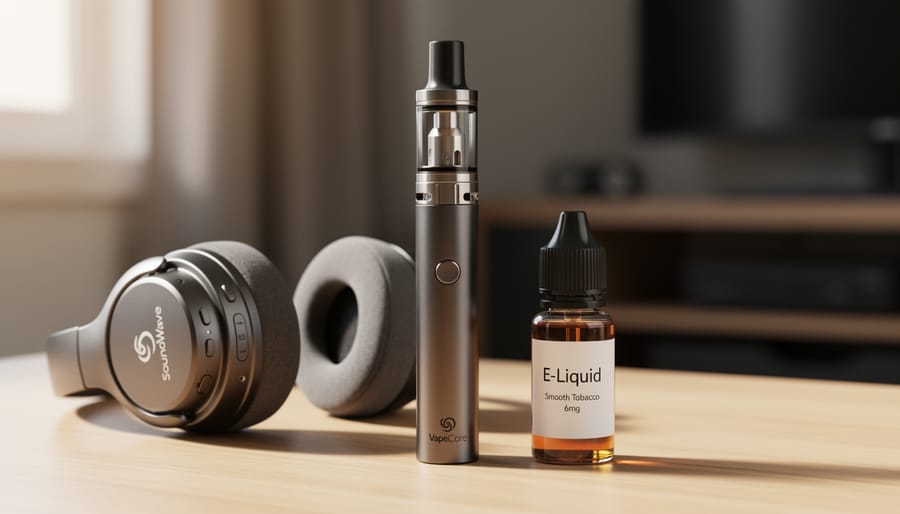
When you vape, you’re inhaling an aerosol created by heating a liquid inside an electronic device. The device itself contains three main parts: a battery that powers the unit, a heating coil or atomizer, and a cartridge or tank that holds the vape liquid (often called e-juice or e-liquid). When you activate the device, either by pressing a button or simply inhaling, the coil heats the liquid until it turns into a fine mist that you breathe into your lungs.
- E-cigarette
- A battery-powered device that heats liquid to create an inhalable aerosol, designed to simulate smoking without burning tobacco.
- Vape liquid (e-juice)
- The flavored solution heated by the device, typically containing nicotine, propylene glycol, vegetable glycerin, and chemical flavorings.
- Nicotine
- The addictive stimulant drug extracted from tobacco and added to most vape liquids, affecting blood vessels and nerve function throughout the body.
- Aerosol
- The technical term for what’s produced when vaping, a suspension of tiny liquid droplets and particles, not true water vapor.
- Throat hit
- The physical sensation felt in the throat when inhaling nicotine, caused by the chemical’s irritating effect on throat tissue.
That aerosol carries more than just flavoring. Nicotine enters your lungs and passes almost immediately into your bloodstream, circulating throughout your entire body within seconds. From there, it reaches your brain, heart, and every organ system, including the microscopic structures of your inner ear. The chemicals in vape liquid don’t stay in your lungs. Propylene glycol, vegetable glycerin, formaldehyde (which forms when the liquid overheats), and dozens of flavoring compounds all enter your circulation and travel to tissues that depend on clean, oxygen-rich blood. Your cochlea, the snail-shaped organ responsible for hearing, receives its blood supply through some of the smallest vessels in your body. These vessels deliver the oxygen and nutrients that keep delicate hair cells alive and functioning. Every time you vape, those same vessels also deliver whatever chemicals you’ve just inhaled.
Fact 1: Nicotine Restricts Blood Flow to Your Inner Ear
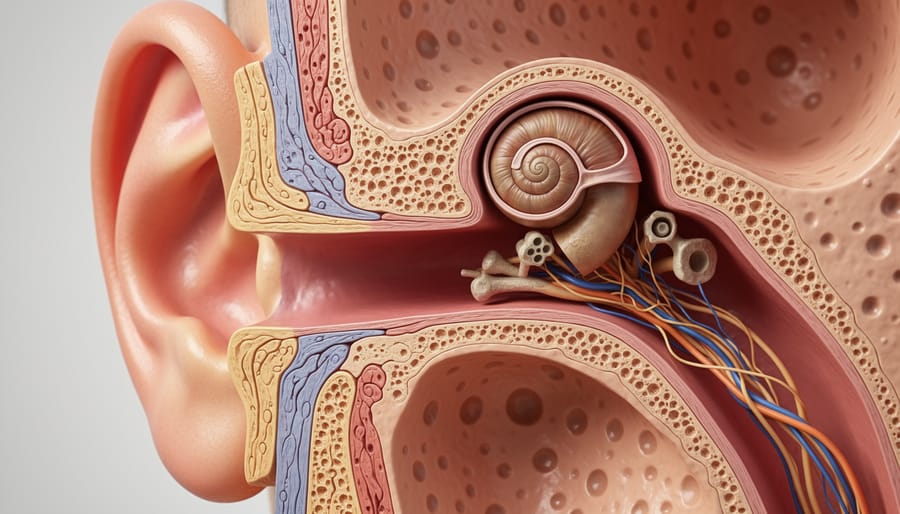
Nicotine acts as a powerful vasoconstrictor, meaning it narrows blood vessels throughout your entire body. This includes the minuscule capillaries that supply your cochlea, the snail-shaped structure in your inner ear responsible for converting sound vibrations into signals your brain interprets as hearing.
Your cochlea contains roughly 16,000 specialized hair cells that depend on a constant supply of oxygen and nutrients delivered through blood flow. These hair cells are among the most metabolically active cells in your body, yet they receive blood through some of your smallest, most delicate vessels. When nicotine tightens these tiny capillaries, it reduces the amount of oxygen reaching the cochlea.
Even a temporary reduction in blood flow can stress these cells. With repeated vaping sessions throughout the day, the cumulative effect becomes significant. Your hair cells essentially operate in a state of chronic oxygen deprivation. Unlike other cells in your body, cochlear hair cells cannot regenerate. Once damaged by insufficient blood supply, they remain permanently impaired or die.
Research shows that nicotine’s vasoconstrictive effects can last for hours after a single vaping session. For people who vape multiple times daily, their inner ear never gets a chance to recover between exposures. The damage compounds over time as more hair cells weaken and die.
This process explains why vapers often develop hearing loss patterns similar to those seen in people with poor cardiovascular health. The mechanism is the same: reduced blood flow starves the delicate structures needed for hearing, leading to irreversible damage you might not notice until it’s already substantial.
Fact 2: Vaping Chemicals Directly Damage Hearing Cells
Beyond nicotine, the liquid inside vaping devices contains chemicals that directly attack the delicate cells in your inner ear. Every time you vape, you’re exposing your hearing system to a mixture of substances that weren’t meant to enter your body in vapor form.
Propylene glycol and vegetable glycerin form the base of most vaping liquids. When heated, these chemicals break down into smaller compounds, including formaldehyde and acetaldehyde. Both are known toxins. They travel through your bloodstream and reach the cochlea, where they trigger what scientists call oxidative stress, essentially, they create unstable molecules that damage cell structures.
Your cochlea houses roughly 15,000 hair cells that convert sound vibrations into signals your brain understands. These cells can’t regenerate. When vaping chemicals reach them, they cause inflammation that disrupts normal cell function. Over time, this inflammation kills the cells outright.
Flavoring chemicals add another layer of risk. Diacetyl, once common in butter-flavored e-liquids, causes severe lung disease. But research shows it also damages auditory pathways. Cinnamaldehyde, found in cinnamon flavors, produces similar toxic effects on hearing cells. Even “safer” alternatives haven’t been tested for long-term impact on auditory health.
The combination matters too. Propylene glycol plus flavoring chemicals creates a more toxic mix than either substance alone. This cocktail of chemicals doesn’t just pass through your system, it lingers in tissue, causing cumulative damage with each vaping session. The more you vape, the more toxins accumulate in the structures responsible for your hearing.
Fact 3: Young Adult Vapers Face Higher Risk
Research into vaping’s effects on hearing reveals a troubling pattern among younger users. Studies show that people who start vaping in their teens or twenties can experience hearing changes typically seen in individuals decades older. The inner ear’s hair cells, which convert sound into nerve signals, face heightened vulnerability during the developmental years that extend into the mid-twenties. Regular nicotine and chemical exposure during this critical window doesn’t just cause immediate damage, it sets the stage for accelerated decline that compounds over time.
A vaper who begins at age 18 and continues through their twenties might show hearing test results at age 35 that match those of a 50-year-old non-vaper. This acceleration happens because the cochlea never gets a chance to establish healthy baseline function before sustained toxic exposure begins. The damage accumulates faster than it would in older adults whose hearing structures have already matured fully.
Frequency matters as much as age. Young adults who vape multiple times daily expose their inner ear to repeated cycles of constricted blood flow and chemical irritation, preventing the recovery periods that might slow progression. High-frequency hearing loss, which affects the ability to hear consonants and follow conversations in noisy settings, often appears first, a particularly devastating outcome for people in school or early career stages when communication skills directly impact success.
Fact 4: Hearing Damage Happens Silently and Gradually
One of the most concerning aspects of vaping-related hearing loss is how difficult it is to detect. Unlike sudden hearing damage from loud noise, where you might notice ringing ears or muffled sounds immediately, vaping affects your hearing so gradually that you won’t realize anything’s wrong until the damage is substantial.
The deterioration typically starts with high-frequency sounds, the range where consonants like “s,” “f,” and “th” live. You might miss birdsong or struggle to hear your phone’s notification chime, but these losses feel minor enough to ignore. Conversations in quiet rooms still sound normal, so there’s no alarm bell prompting you to seek help.
As vaping continues, the damage creeps into the frequencies essential for understanding speech. You’ll find yourself asking people to repeat themselves more often, particularly in noisy environments like restaurants or gatherings. Background noise becomes increasingly frustrating because your brain can’t separate conversation from ambient sound as effectively. By this stage, thousands of irreplaceable hair cells in your cochlea have already died.
The gradual progression creates a dangerous delay. Most vapers don’t connect their hearing struggles to their vaping habit, attributing difficulties to poor acoustics, mumbling speakers, or normal aging. Research shows that people wait an average of seven years between first noticing hearing changes and seeking professional evaluation, years during which vaping continues inflicting permanent damage.
This silent deterioration means that by the time hearing loss becomes obvious enough to concern you, significant irreversible harm has already occurred. Regular hearing assessments become critical for anyone who vapes, catching changes before they affect daily life.
Fact 5: The Damage May Be Irreversible
The most sobering reality about vaping-related hearing loss is its permanence. When nicotine and vaping chemicals damage the hair cells in your cochlea, those cells don’t regenerate. Unlike your lungs, which can begin healing within weeks of quitting vaping, or your cardiovascular system, which gradually recovers after nicotine cessation, the delicate sensory cells responsible for hearing cannot repair themselves once destroyed.
This permanence makes early detection critical. While you can’t reverse damage that’s already occurred, stopping vaping immediately prevents additional harm. Think of it like stopping a leak in your roof, you can’t undo the water damage already there, but you can prevent the problem from worsening. Many people who quit vaping report stabilization of their hearing, meaning the loss doesn’t progress further, and some find that addressing related issues like tinnitus and diet helps them manage secondary symptoms.
If you’ve already experienced hearing changes, professional evaluation becomes essential. Modern hearing solutions, including hearing aid personalization can effectively address existing loss and help you maintain quality of life. The key is acting before more damage accumulates, every day you continue vaping puts additional irreplaceable hearing cells at risk.
When and How to Get Your Hearing Checked
Current vapers should establish a baseline hearing evaluation now, before subtle damage progresses. If you vape regularly, schedule testing even if you haven’t noticed problems, early detection catches changes you can’t yet perceive. Anyone who has vaped for more than six months needs professional screening, regardless of age.
Book an appointment immediately if you experience:
- Difficulty understanding conversations in noisy environments
- Frequently asking people to repeat themselves
- Ringing or buzzing sounds in your ears
- Muffled perception of sounds
- Turning up the volume on devices more than before
A comprehensive hearing assessment typically takes 30 to 45 minutes. The audiologist will review your vaping history, test how well you hear different frequencies and volumes, and assess your inner ear function. This isn’t just pass-fail screening, it creates a detailed map of your current hearing ability that serves as your baseline for future comparisons.
Independent hearing professionals offer personalized evaluations without sales pressure. They can explain your results clearly, discuss how vaping may have affected your specific hearing profile, and recommend appropriate next steps. If testing reveals damage, they’ll guide you through latest hearing aid technology that addresses your individual needs. Early professional intervention gives you the best chance of preserving the hearing you still have.
These five facts reveal a serious connection between vaping and hearing damage that many users don’t realize exists. The effects start with restricted blood flow from nicotine, compound through direct chemical damage to delicate hearing cells, hit younger users especially hard, progress silently over time, and ultimately result in permanent changes that can’t be reversed. Understanding these risks puts you in a position to make informed decisions about your health.
Can hearing loss from vaping be reversed?
No, damage to cochlear hair cells is permanent and cannot regenerate. However, stopping vaping can prevent further deterioration and protect your remaining hearing.
How quickly does vaping affect hearing?
Changes can begin within months of regular use, though noticeable hearing loss often takes years to develop. Younger, frequent users may experience measurable changes sooner than expected.
Is vaping worse for hearing than smoking?
Both deliver nicotine that restricts blood flow, but vaping introduces unique chemical exposures like propylene glycol and flavoring compounds that create additional risks for auditory cells.
Will my hearing improve if I quit vaping?
Existing damage won’t reverse, but quitting immediately stops further harm and allows blood flow to normalize, protecting the hearing you still have.
If you currently vape or have in the past, getting your hearing evaluated gives you a clear picture of where you stand. Independent hearing professionals can provide personalized screening without sales pressure, and if damage has occurred, today’s advanced hearing solutions offer effective support tailored to your specific needs. Your hearing health matters, and taking action now means you’re choosing to protect one of your most valuable senses. Whether that means scheduling a baseline test, reconsidering vaping habits, or exploring solutions for changes you’ve already noticed, you have options and expert guidance available whenever you’re ready.